Study Skills for High School Students

The note-taking templates, weekly planner and exam-revision checklists that go with our guides — free.
High school is the best time to build study skills — not just for exams now, but because the same habits carry you through university and beyond. The good news: the methods that work are simple and evidence-based.
Take notes you can revise from
Notes are only useful if you reuse them. A structured method like Cornell makes review easy (note-taking methods) — capture in class, add questions afterwards.
Revise by testing yourself
The single best revision habit is retrieval practice: cover your notes and recall, or use flashcards, instead of re-reading. Spread it across days rather than cramming (why it works).
Manage your time simply
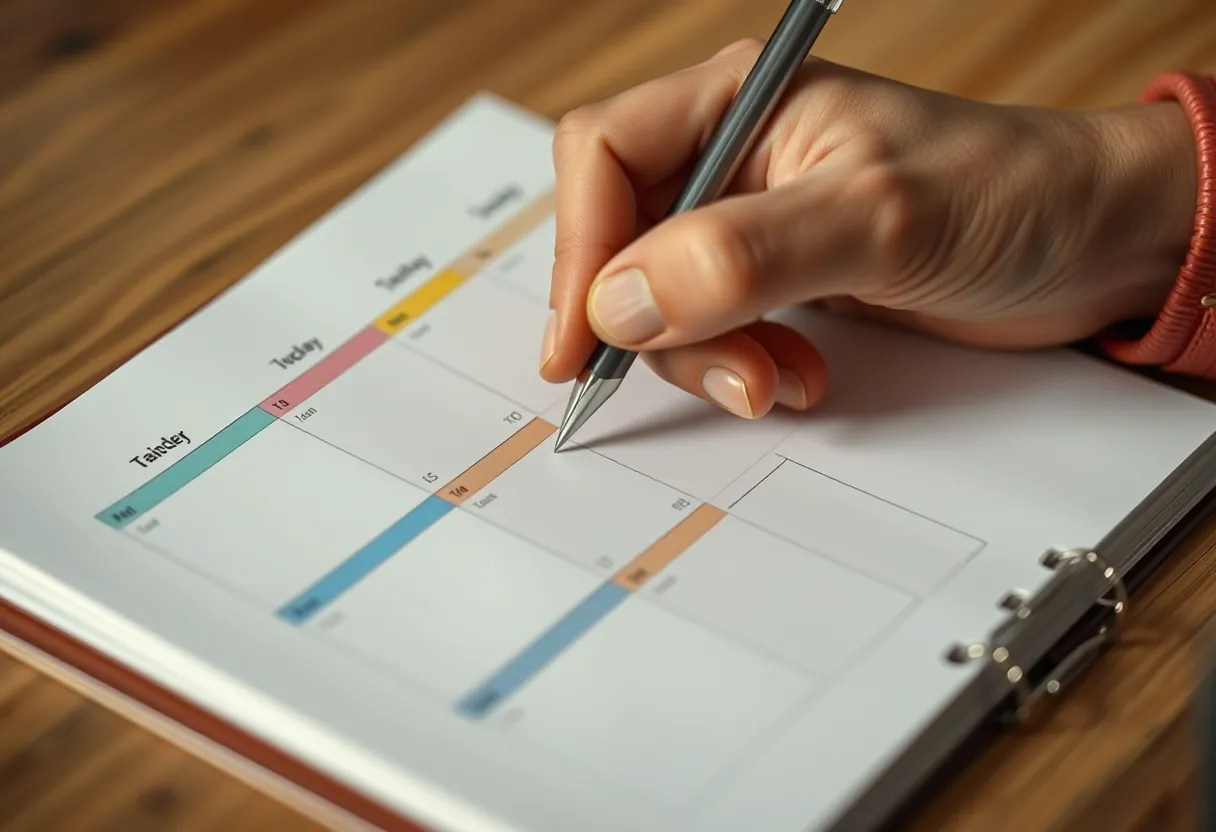
Use a simple weekly plan and short focused sessions with your phone away. You do not need a complex system — just a consistent one (time management basics).
Get ahead for university
These habits are exactly what university assumes you already have. Building them now gives you a real head start — explore the full study skills method.
Want the full guide?
Enter your email for free access to the rest of this article and the study-skills resource library.
Frequently asked questions
What are the best study skills for high school?
Structured note-taking you can revise from, retrieval-based revision (self-testing) spread across days, and simple weekly time management with focused, distraction-free sessions.
How should high school students revise for exams?
Test yourself from memory rather than re-reading, use flashcards, and space revision across several days. This builds far more durable memory than cramming.
Do study skills learned in high school help at university?
Yes - the same habits (note-taking, retrieval, time management) are exactly what university assumes, so building them early gives a real head start.
How much should a high school student study?
Quality matters more than hours. Short, focused, regular sessions with self-testing beat long unfocused ones, especially with the phone in another room.